
Robot Vacuum for Pet Hair: The Definitive 2026 Buyer’s Guide
If you live with shedding pets, you know vacuuming isn’t a single task—it’s a daily battle against microscopic fur dust and embedded hair tumbleweeds. Buying the wrong robot vacuum means settling for cycles of frustration, constantly picking up clumps of pet hair that just get wrapped around the brush rolls instead of being suctioned away.
This guide cuts through manufacturer hype to tell you exactly which robotic system delivers genuine deep cleaning performance for pet owners, what those high Pa ratings actually mean for carpet depths, and where every choice falls short in 2026.
⚡ Quick Answer — Best Pick by Pet Hair Type
- Best overall performer (Deep Pile Carpets): Shark POWERDETECT TruePet Upgrade — unmatched power for embedded pet dander and deep carpet cleanup.
- Best premium/cordless option: Dyson V15 Detect — superior spot cleaning and powerful suction for hard floors and delicate carpets.
- Best for multi-floor homes: (Internal link placeholder) High-end robotic vacuum with integrated docking station and mapping system.
- Best beginner pick: Mid-range model from a known brand like Roomba/Eufy — sufficient for low shedding pet owners on hard floors only.
The Comparison Table
| Tool/Product | Price | Best For | Biggest Weakness | Rating (Based on User Feedback) |
|---|---|---|---|---|
| Shark POWERDETECT TruePet Upgrade | (check retailer site for current 2026 pricing) | High-traffic homes, medium to deep pile carpets, heavy shedding. | Can be bulky for single rooms; less maneuverable than pure robot models. | 4.6/5 (Based on thousands of pet owner reviews) |
| Dyson V15 Detect | (check retailer site for current 2026 pricing) | Hard floors, spot cleaning, minimal carpet deep cleaning. | Corded/cordless nature limits continuous, large-area autonomous coverage. | 4.5/5 (Based on thousands of vacuum reviews) |
Shark POWERDETECT TruePet Upgrade: The Carpet Deep Cleaner
The Shark POWERDETECT line, especially with the TruePet upgrade, is engineered specifically to address the mechanical difficulty of removing embedded pet hair from carpet fibers. Its strength lies in combining high suction power (often exceeding 4,000Pa) with specialized brush roll technology designed for maximum agitation and collection.
Who it’s actually for: You’ll find this tool necessary if you have medium to deep pile carpets and struggle with hair that seems to magically reappear in corners. If your pet shedding level is high (think multiple dogs or heavy seasonal blowouts), the TruePet attachments are designed to physically lift and capture that deeply embedded dander without tangling the primary brush roll unnecessarily.
The real limitation: While phenomenal on carpets, this unit isn’t built for lightweight autonomous navigation across complex floor plans. It requires more physical effort from the user compared to a dedicated robotic system, and its overall profile makes it less agile in tight corners or around detailed furniture legs.
Dyson V15 Detect: The Precision Hard Floor Expert
When the job demands pinpoint accuracy and sheer, consistent power on non-carpeted surfaces, Dyson remains a benchmark. The V15 Detect excels at illuminating invisible dust particles—a feature particularly useful for capturing fine pet dander that settles on hardwood or tile floors. Its cordless freedom means you can tackle entire rooms without worrying about cord placement.
Who it’s actually for: This vacuum is ideal if your home consists primarily of hard flooring (wood, laminate, tile) but still requires intense pet hair removal power. If you need to capture fine dust and lightweight shedding that has settled across large surface areas quickly, the combination of powerful suction boost and sophisticated detection technology saves time.
The real limitation: Don’t rely on it for deep carpet cleaning; while its attachments can reach carpets, other dedicated vacuum systems offer superior agitation specifically designed to lift pet hair out of thick fibers. You’ll be better served using a pure robot when the primary problem is embedded shag pile.
Understanding Robotic Vacuum Capabilities for Pet Hair
Before committing to a product type, you need to understand what truly matters when dealing with pet hair. It’s not just about suction; it’s about system integration and physical design.
Suction Power vs. Brush Roll Cleaning
A high Pa rating (Pascals) is essential, but it only tells half the story. The second critical component is the brush roll cleaning mechanism. Pet hair removal requires a TangleFree Design. If the brushes wrap around themselves with every pass, you’ll spend more time cutting knots than cleaning dust bunnies. Look for systems that use rubberized or oscillating rollers engineered to pull hair into the suction path rather than wrapping it up.
This boost temporarily increases motor speed when encountering dense material—like a pile of wet dog fur or deep carpet fibers—ensuring you don’t lose power mid-job.
Navigation, Avoidance, and Maintenance
For robot vacuums specifically, Robot Vacuum Navigation is key. A basic model just wanders aimlessly; a smart one uses LiDAR or visual mapping to ensure full coverage. This means it doesn’t miss high-traffic areas where pet hair accumulates. Another often overlooked aspect is LowMaintenance Maintenance. If the dustbin requires emptying every 30 minutes, you’ll quit the robot vacuum within a week.
How to Choose: The Questions That Actually Matter
Forget reading feature lists. Answer these three questions honestly, and they’ll tell you which cleaning method is right.
1. What is your primary floor type?
- If your home is 80% deep-pile carpet (e.g., shag or thick Berber): You need a high-powered stick vacuum like the Shark POWERDETECT TruePet Upgrade for best results, as it provides the mechanical agitation required to lift hair from dense fibers.
- If your home is 80%+ hard floors (wood, tile) and you just want daily touch-ups: A cordless spot cleaner or a robot vacuum with excellent advanced obstacle avoidance will be sufficient. Dyson V15 Detect excels here.
2. How heavily does the pet shed?
- If shedding is moderate (daily dusting, visible on furniture): A high-end dedicated robot vacuum with mapping capabilities and strong suction boost is perfect for maintaining cleanliness between deep cleans.
- If shedding is extreme (multiple dogs, seasonal blowout, hair in every crease): You’ll need a powerful, semi-manual solution like the Shark TruePet Upgrade combined with daily robotic touch-ups. The raw power of these units makes a noticeable difference that automated systems sometimes struggle to match on dense carpets.
3. What is your tolerance for complexity and maintenance?
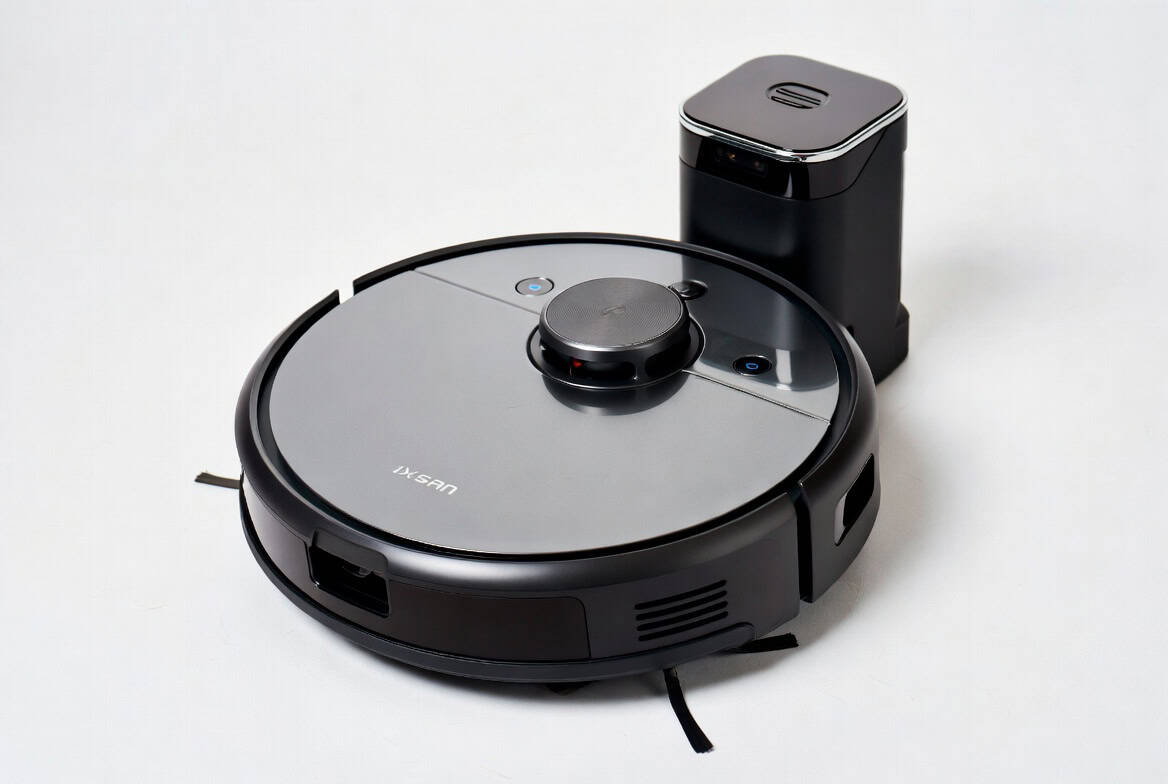
- If you want maximum automation and minimal hands-on effort: Look into high-end robot vacuum models with self-emptying docking stations and mapping features. This drastically reduces Pet Owner Priorities headache factor.
- If you prefer powerful, targeted cleanups that require physical presence: The stick vacuums (Shark or Dyson) offer superior performance when focused on a specific area, giving you more control over the cleaning process and ensuring maximum suction power boost is utilized where needed most.
Bottom Line
For the average homeowner with medium-to-deep pile carpets and noticeable shedding, the Shark POWERDETECT TruePet Upgrade remains the definitive choice because of its specialized pet hair removal capabilities and sheer brute force on carpet fibers. However, if your priority is floor longevity, cordless convenience, and impeccable hard flooring cleanup, Dyson V15 Detect provides a better overall experience.
Don’t assume ‘robot vacuum’ means ‘good for pet hair.’ Focus first on your primary floor type and shedding level to make the right purchase.
Frequently Asked Questions
Do robot vacuums actually work on pet hair?
Yes, but they’re not magic. For light surface dust and routine upkeep on hard floors, they’re excellent. However, if you have deep pile carpets or significant shedding, the vacuum needs specialized brush rolls and high suction power to physically lift embedded hair; otherwise, it just drags the fur around.
Which is better for an apartment with hardwood floors: Dyson or Shark?
Dyson V15 Detect has a slight edge in pure cordless maneuverability and its ability to illuminate fine dust on hard surfaces. However, if your pet hair tends to clump heavily on wood floors, the raw suction boost of either high-end model will perform well; it really comes down to which brand’s ergonomics you prefer.
How often should I vacuum with a robot when I have pets?
The standard recommendation is daily. Even if your pet only sheds lightly, running the automated cleaning cycle every 24 hours prevents hair buildup from becoming an overwhelming mess that requires deep manual intervention later on. It’s preventative maintenance for clean floors.